 Zara Interiors
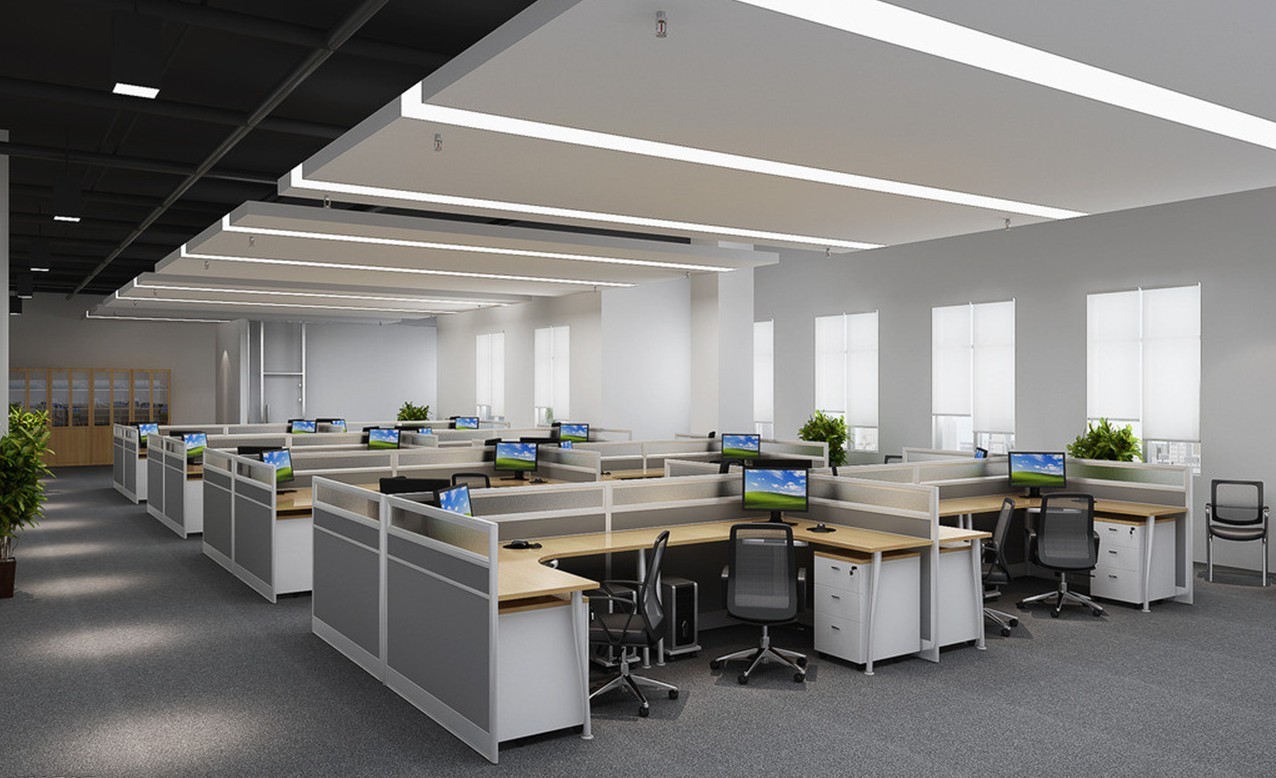
Office Interiors: Boosting Productivity Through Smart Design
The design of an office is more than just about aesthetics—it directly impacts employee productivity, creativity, and well-being. A thoughtfully designed workspace motivates employees, reduces stress, and encourages collaboration. Whether you’re setting up a home office or redesigning a corporate space, here’s how smart office interiors can make a difference.
1. Ergonomic Furniture for Comfort
Employees spend long hours at their desks, so ergonomics is key:
- Adjustable chairs that support posture.
- Desks with proper height for laptops and monitors.
- Standing desks to reduce fatigue.
2. Natural Light and Ventilation
Good lighting is one of the simplest ways to improve productivity:
- Position desks near large windows.
- Use sheer curtains to allow natural light while reducing glare.
- Add indoor plants to improve air quality.
3. Smart Use of Colors
Colors affect mood and focus:
- Blue improves focus and efficiency.
- Green brings calmness and balance.
- Yellow sparks creativity and energy.
4. Collaborative & Private Spaces
A productive office balances collaboration and privacy:
- Open spaces with communal tables for teamwork.
- Quiet pods or enclosed rooms for focused work.
- Breakout zones for relaxation and brainstorming.
5. Declutter with Smart Storage
Clutter = distraction. Keep the workplace organized:
- Modular cabinets and wall-mounted shelves.
- Cable organizers to keep desks tidy.
- Shared storage areas for office supplies.
6. Technology-Integrated Design
Modern offices rely heavily on technology:
- Wireless charging stations.
- Conference rooms with smart screens and video conferencing tools.
- Soundproofing solutions for calls and online meetings.
7. Breakout & Relaxation Areas
Employees need space to recharge:
- A small lounge with sofas and coffee tables.
- Cafeteria or pantry with calming interiors.
- Recreational corners with games or reading nooks.
Conclusion
Smart office interior design isn’t just about looks—it’s about creating a functional, healthy, and inspiring environment that drives productivity. By balancing ergonomics, natural elements, color psychology, and modern technology, any workspace can become a hub for innovation and growth.
✨ Tip: Even small changes—like adding more plants or adjusting the lighting—can make a big difference in daily productivity.